
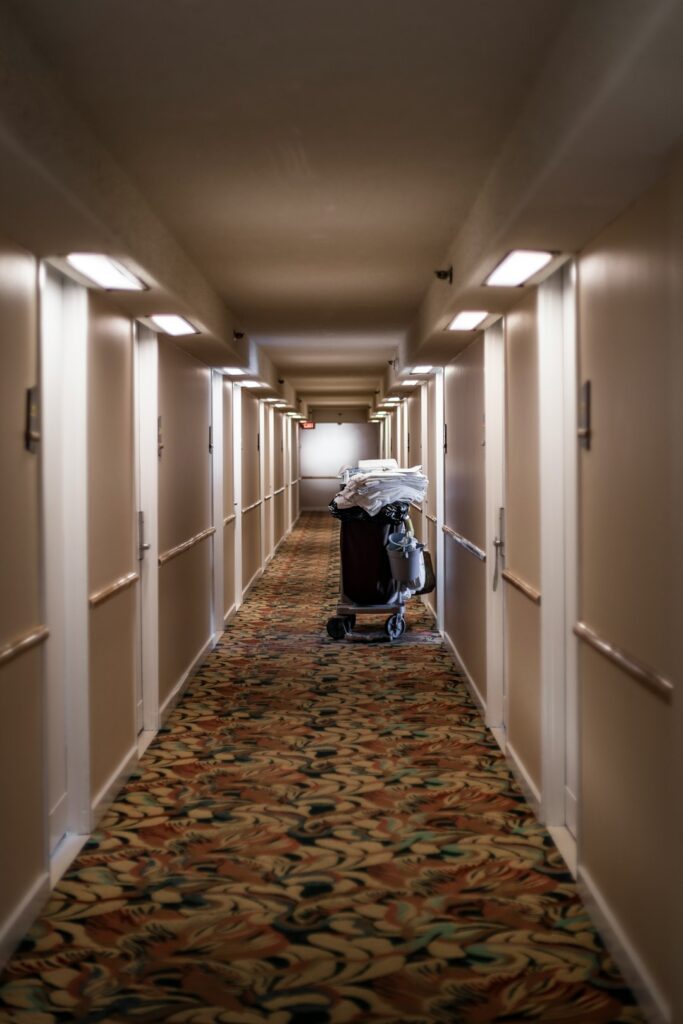
Falls are not an unavoidable part of aging. In assisted living, many falls can be reduced by addressing everyday risks such as poor lighting, medication side effects, unsafe footwear, bathroom hazards, and changes in balance or strength.
For residents and families in Oxford, PA, fall prevention works best as an ongoing safety routine rather than a one-time inspection. A person’s needs may change after an illness, medication adjustment, vision change, or move to a new living space.
Why are older adults at greater risk of falling?
Fall risk often comes from several small factors occurring together. Reduced leg strength, slower reaction time, balance problems, poor vision, dizziness, and unfamiliar surroundings can make ordinary activities more difficult.
Some health conditions also affect walking or stability. Arthritis, diabetes-related nerve changes, stroke recovery, low blood pressure, osteoporosis, and memory problems may all influence fall risk.
A previous fall is another important warning sign. Someone who has fallen may become cautious or fearful, reduce activity, lose strength, and then face an even greater risk of falling again. Reporting near-falls is also useful because slipping without injury may reveal a hazard that needs attention.
What should be checked inside an assisted living residence?
The safest living spaces are well lit, uncluttered, and arranged around the resident’s usual routines. Staff and family members should look at the entire path from the bed to the bathroom, dining area, activity room, and outdoor entrance.
Common hazards include:
- Loose rugs, curled carpet edges, electrical cords, and clutter in walkways
- Furniture that narrows pathways or requires awkward turns
- Low tables or objects that are difficult to see
- Poor lighting near the bed, bathroom, stairs, and hallways
- Wet floors or recently cleaned surfaces without clear warning
- Chairs or beds that are too low or difficult to rise from
- Frequently used items stored too high or too low
Nighttime trips deserve special attention. A lamp or motion-activated light should be easy to reach before standing. The path to the bathroom should remain clear, and a person who feels dizzy should sit back down and ask for assistance rather than trying to walk immediately.
How can bathrooms be made safer?
Bathrooms are a frequent location for falls because they combine hard surfaces, water, transfers, and urgency. Grab bars should be securely installed near the toilet and in the bathing area. A towel rack or free-standing furniture should not be used as a substitute because it may pull away from the wall.
Other practical measures include:
- Nonslip flooring or properly secured nonslip mats
- A shower chair or transfer bench when standing is difficult
- A handheld showerhead when appropriate
- Adequate lighting without harsh glare
- Toiletries placed within easy reach
- Clothing that is simple to manage during toileting
- A call system or other method for requesting help
A shower seat does not eliminate risk if the person still has difficulty transferring. The transfer itself should be evaluated, especially after a hospitalization, injury, or decline in strength.
Do medications and vision affect fall risk?
Yes. Medicines that cause drowsiness, dizziness, blurred vision, confusion, or a sudden drop in blood pressure can increase the chance of falling. These may include some sleep medicines, anxiety medicines, pain medicines, blood pressure medicines, and other drugs that affect the nervous system.
Residents should not stop or change medication on their own. Instead, a medication review can identify whether a dose, timing, combination, or alternative treatment needs to be discussed with the prescribing clinician or pharmacist.
Vision should also be checked regularly. Outdated prescriptions, cataracts, difficulty judging steps, and poor contrast can make a clear-looking floor or threshold harder to see. Eyeglasses should be clean, correctly fitted, and used as directed. Multifocal lenses may require extra caution on stairs and uneven surfaces because depth perception can change when looking down.
What footwear is safest?
Secure, well-fitting shoes with nonslip soles are generally safer than loose slippers, socks, flip-flops, or walking barefoot. Shoes should stay firmly on the foot without pinching the toes.
Foot problems can also affect balance. Painful calluses, numbness, swelling, bunions, or poorly trimmed toenails may change the way a person walks. New foot discomfort should be reported rather than ignored.
A cane or walker should be the correct height and used as instructed. An improperly adjusted device can create instability instead of improving it. Mobility equipment should be kept within reach, but it should not be used to pull up from a chair unless it is specifically designed and positioned for that purpose.
Can exercise reduce fall risk?
Strength and balance activities can help many older adults remain steadier while standing, turning, and walking. Appropriate activities may include supervised leg strengthening, balance practice, chair-rise exercises, walking, or gentle programs such as tai chi.
The right activity depends on health, mobility, pain, and fall history. Someone who is unsteady should not begin challenging balance exercises alone. Exercises should follow the person’s care plan and be adjusted when fatigue, pain, dizziness, or shortness of breath occurs.

Regular movement is often safer than prolonged inactivity. Spending most of the day seated may lead to weaker legs and more difficulty standing. Short, consistent periods of activity can be more manageable than an overly ambitious routine.
How should seasonal conditions be handled?
Seasonal changes can introduce additional hazards for residents and families in Oxford. Wet leaves, rainwater tracked indoors, icy walkways, and damp entry floors can make surfaces slippery. Winter footwear may also be heavier or less stable than ordinary shoes.
Indoor precautions include placing absorbent mats securely at entrances, removing wet footwear promptly, and keeping walking paths clear after weather-related activity. Outdoor walking should be postponed when surfaces are slick or visibility is poor. A person who normally walks independently may need extra support during bad weather.
Warm-weather risks matter as well. Dehydration, overheating, and fatigue can contribute to weakness or dizziness. Adequate fluid intake should follow the person’s medical guidance, particularly when heart or kidney conditions affect fluid restrictions.
What should happen after a fall or near-fall?
Every fall should be reported, even if there is no obvious injury. Pain, confusion, weakness, headache, loss of consciousness, difficulty moving, or a suspected head injury requires prompt medical attention.
After the immediate concern is addressed, the cause should be reviewed. Useful questions include:
- Was the person turning, standing, reaching, or walking to the bathroom?
- Was there dizziness, weakness, urgency, or a medication change?
- Were glasses, shoes, or a mobility device being used?
- Was the floor wet, dimly lit, cluttered, or uneven?
- Had the person recently been ill or less active?
A fall review should lead to specific changes, such as improving lighting, adjusting the care plan, reviewing medications, changing footwear, or adding assistance during certain activities. Repeating the same routine without addressing the cause leaves the underlying risk in place.
How can families support safer routines?
Families can help by observing how a loved one moves rather than relying only on what the person says feels difficult. A resident may avoid mentioning a near-fall because of embarrassment or concern about losing independence.
Useful conversations focus on maintaining independence safely:
- Ask which activities feel uncertain or tiring.
- Encourage reporting dizziness, weakness, and near-falls.
- Keep personal items within easy reach.
- Avoid rearranging furniture without discussing the change.
- Share information about falls, medication changes, and recent illnesses.
- Respect the resident’s preferences while addressing hazards directly.
The goal is not to prevent every movement or restrict normal activity. It is to make ordinary activities more predictable, visible, and appropriately supported.
